
Black Swordsman:Dual Blades
FunGameHubRole Playing
4.7100.00 Reviews
- Version
- 4.8
- Installs
- 50.00K
- Age Rating
- Everyone 10+
Screenshots
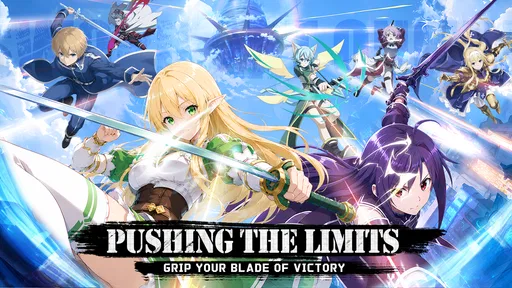
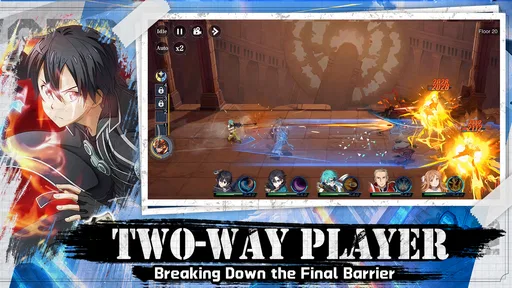
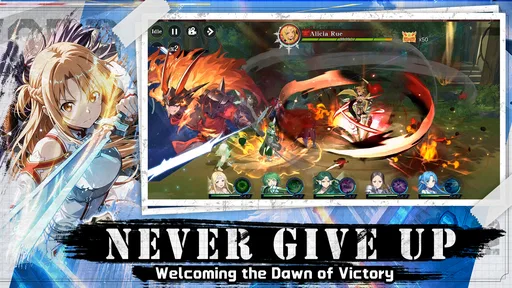
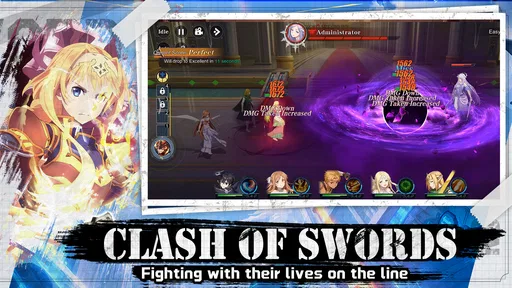
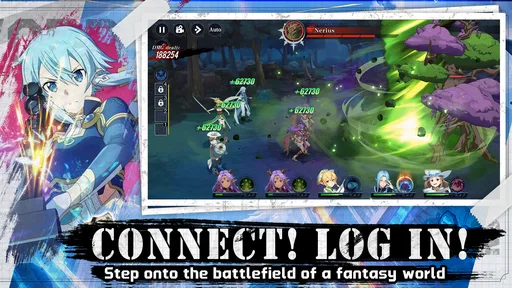
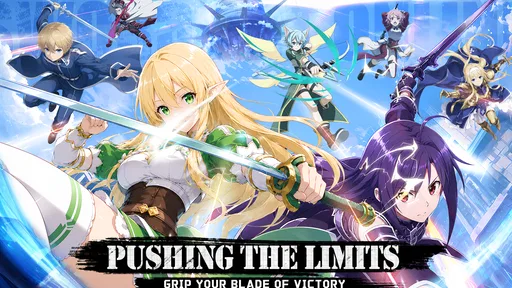
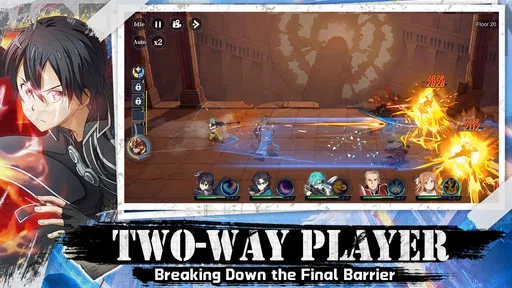
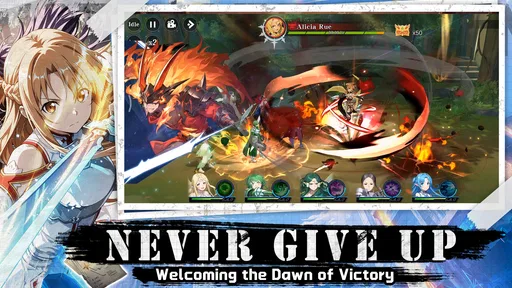
Our Review of Black Swordsman:Dual Blades
 Analysis by Appyee
I went into Black Swordsman:Dual Blades expecting a straightforward fantasy role-playing game, but its appeal is more specific than that. It is built around the image of a lone black swordsman defending a threatened realm, and that focused identity gives the game a clear mood from the moment you begin. My overall impression is that it works best as a compact action-RPG for players who enjoy dramatic swordplay, character progression, and a dark fantasy setting without needing a large, complicated game to manage.
The game comes from FunGameHub and is available as a free download for Android users. It has an average rating of 4.7 from around 2.6 thousand ratings, with over 10 thousand installs. Those figures suggest that it has found a small but interested audience rather than trying to compete with the biggest role-playing releases. After spending time with it, I can understand why: the presentation is direct, the premise is easy to grasp, and the dual-blade theme gives the combat a stronger personality than a generic fantasy adventure.
A focused sword-fighting adventure with a clear identity
The first thing I noticed is how little time the game needs to explain its basic attraction. You are not being asked to learn a huge collection of unrelated systems before the action becomes meaningful. The central fantasy is simple: take up your blades, face the darkness, and protect the realm. That simplicity is a strength when I want something I can open for a short session without studying a manual or remembering a long list of objectives.
Its store summary uses grand language about reality, bonds, blades, and defending the realms, but the experience feels more grounded than that wording suggests. The most convincing part of the game is not the scale of its story; it is the feeling of controlling a specialist fighter with a recognizable role. The black swordsman concept gives the adventure a consistent visual and emotional direction, while the role-playing structure provides enough progression to make each session feel connected to the next.
I also appreciate that the game sits between a traditional fantasy RPG and a lighter mobile action experience. It is not the kind of title I would choose when I want a huge world full of deep exploration, extensive dialogue, and dozens of interlocking activities. Instead, it suits the moment when I want combat and character growth to remain at the center. That distinction matters, because players who judge it as a full-scale console-style RPG may find it narrower than expected, while players looking for a focused mobile adventure may find the limits refreshing.
Why the combat theme matters
The dual-blade idea is more than a decorative name. It gives the protagonist a sharper identity than the usual anonymous fantasy warrior. When a game revolves around one strong combat image, small decisions feel easier to understand: improving the character should make the swordsman more capable, and encounters should test how well that improved fighter handles danger. I found that clarity useful because it kept my attention on the rhythm of fighting rather than on collecting every possible type of item or activity.
That focus also makes the game approachable for people who are new to role-playing games. You do not need to arrive with detailed knowledge of character builds or genre terminology to understand the basic goal. The game communicates its fantasy through the character and the conflict, then lets the progression systems add depth gradually. For a friend who normally avoids sprawling RPGs, this is the part I would emphasize first.
At the same time, the narrow identity creates a trade-off. If you prefer several playable classes, a wide range of weapons, or a story that constantly changes its tone, this may feel limited. The black swordsman is the center of the experience, and that means the game is less about experimenting with different heroes and more about developing one particular fantasy. I see that as a deliberate choice, but it will not suit everyone.
Progression that works best in short, regular sessions
The role-playing structure gives the game a useful sense of momentum. I found it more satisfying when I treated each session as one small step: play for a while, improve the character, and return later with a clearer idea of what I wanted to strengthen. That approach is better than rushing through everything, especially on a phone where interruptions are common.
One practical tip is to decide what kind of improvement you want before spending resources. In a sword-focused game, it is tempting to upgrade anything that becomes available, but spreading attention too widely can make progress feel less noticeable. I preferred concentrating on the upgrades that supported my immediate combat needs rather than trying to make every part of the character equally strong. This is not a complicated strategy, but it makes the progression feel more intentional.
Another useful habit is to use the early stages as a learning space instead of treating them as disposable content. They are a good time to notice how quickly enemies pressure you, which attacks leave you vulnerable, and whether your current improvements are solving actual problems. That information becomes more valuable than simply accumulating upgrades. A player who pays attention to those patterns will get more from the game than someone who taps through every encounter without adjusting.
The game runs on devices using Android 8.0 or later, which makes it accessible to people who are not using the newest phone available. Its current version is 4.8, and the age guidance is Everyone 10+, so it is positioned as a relatively accessible fantasy game rather than an adults-only experience. Those details make it easier to recommend for a household where a younger player wants a sword-fighting RPG, although parents should still remember that the game includes optional purchases.
The real strength is its low-friction fantasy
What kept me coming back was not a single spectacular feature. It was the low-friction way the game delivers its fantasy. I can think about the character as a swordsman, enter the game, make some progress, and leave without feeling that I have neglected a complicated schedule. That makes it a good companion for short breaks, commuting, or the quiet part of an evening when I want something more interactive than watching a video.
A realistic example would be a player with fifteen minutes before leaving home. This game can fit that kind of window better than a long narrative RPG that expects uninterrupted attention. I would use the time to complete a manageable stretch of combat, check the character’s development, and stop before the session becomes rushed. The important point is that the game’s focused premise makes a short visit feel worthwhile, rather than making me feel as though I have only opened the menus.
It also works for players who enjoy the atmosphere of dark fantasy but do not want a deliberately punishing game. The mood suggests danger and conflict, yet the basic objective remains easy to understand. That balance gives it a broader reach than a game that demands mastery from the first minute.
Where the experience loses some force
My main reservation is that the focused design can become repetitive if I play for too long in one sitting. A sword-centered RPG needs enough variety in encounters, progression choices, or presentation to keep the central action feeling fresh. When that variety is not strong enough, the same strengths that make the game accessible can begin to feel like boundaries.
This is why I would not recommend it as the only game on a phone for someone who wants endless novelty. It is better in rotation with other titles. Play it when you want a direct fantasy combat session, then move to a strategy game, puzzle game, or story-heavy RPG when you need a different kind of stimulation. That is not a criticism unique to this title; it is the natural cost of building an experience around one clear hero and one dominant fighting fantasy.
The free-to-play structure also deserves a careful look. The game is free, but optional in-app purchases range from $0.99 to $99.99 per item. That wide range means I would approach the shop deliberately rather than browsing it casually. My advice is to decide in advance whether you are comfortable spending anything, then avoid letting a difficult stage turn into an automatic purchase decision. A free entry point is valuable, but the most enjoyable way to use it is to keep spending separate from frustration.
For younger players, that point matters even with the Everyone 10+ guidance. The age rating makes the game broadly approachable, but it does not remove the need for sensible purchase boundaries. I would be comfortable recommending it to a younger player as a game to try, while also making sure the person using the device understands that optional items can cost real money.
How it compares with other mobile role-playing games
Compared with large mobile RPGs, this game feels less overwhelming. The usual alternative in the category may offer a broader cast, more elaborate social systems, more extensive exploration, or a much larger stream of content. Those games can be better for players who want a long-term hobby with many layers to manage. They can also demand more storage, more attention, and more patience before the experience becomes comfortable.
Black Swordsman:Dual Blades is a better fit when the main attraction is the warrior fantasy itself. I do not have to choose between a large number of unrelated activities to understand what I am supposed to enjoy. That makes it easier to recommend to someone who wants an RPG that gets to the sword-fighting premise quickly.
On the other hand, a story-driven RPG is likely the better choice for anyone who values character relationships, careful dialogue, and emotional development above combat. The title’s emphasis is clearly on the swordsman and the fight against darkness, so I would not select it expecting the same narrative richness as a role-playing game built around conversation and exploration.
It also differs from competitive action games because its appeal is not primarily about proving skill against other players. I found it more comfortable as a personal progression game, where the satisfaction comes from improving the hero and handling the next challenge. If your favorite mobile experience is a fast multiplayer contest with constant rankings, another option will probably give you more of what you want.
Who should install it
I would recommend it to someone who likes dark fantasy, sword-focused heroes, and mobile RPGs that are easy to understand. It is especially suitable for players who want a game that can be enjoyed in short sessions, who like seeing a character become stronger, and who prefer one strong identity over a crowded collection of systems.
It is also a reasonable starting point for a player who has not spent much time with role-playing games. The premise is immediately readable, and the dual-blade theme gives the experience a memorable center. You can approach it casually at first, then become more deliberate about upgrades and combat once you understand what kind of fighter you want to develop.
I would ask a potential player three questions before recommending it. Do you enjoy repeating a familiar combat fantasy over several sessions? Are you comfortable ignoring optional purchases when you do not need them? And would you rather develop one distinctive hero than constantly switch between characters? If the answers are yes, the game has a good chance of fitting your habits.
I would tell other players to skip it, at least for now. If you need a huge world, deep customization, a large cast, or constant mechanical surprises, its focused structure may feel too restrained. Players searching for a completely offline-style experience should also check how the game behaves on their own device and connection before committing to it, rather than assuming that every mobile RPG works the same way.
My final verdict
Black Swordsman:Dual Blades succeeds because it knows what it wants to be: a direct fantasy role-playing game built around the image of a determined dual-blade warrior. FunGameHub has given it a clear hook, and the 4.7 average shows that the straightforward approach connects with many players. I enjoyed it most when I played in measured sessions, treated progression as a series of small decisions, and resisted the temptation to judge it by the scale of much larger RPGs.
Its weaknesses are equally clear. The focused combat fantasy can become repetitive, the experience does not aim for the breadth of major mobile RPGs, and the optional purchase range requires self-control. Those are meaningful limitations, not reasons to dismiss the game entirely. They simply define the audience more precisely.
My recommendation is simple: try it if you want a focused, free sword-fighting RPG with a dark fantasy identity, but skip it if variety, deep storytelling, or extensive customization matters more than immediate action. For the right player, it is an easy game to pick up and return to. For everyone else, the same simplicity that makes it approachable may make it feel too narrow.
Verdict
Strengths of Black Swordsman:Dual Blades
- Fast-paced dual-blade combat feels responsive and satisfying.
- Stylish anime-inspired visuals give battles a distinctive look.
- Multiple characters and skills encourage varied team setups.
- Short missions make it easy to play during quick breaks.
- Frequent rewards help new players progress without immediate spending.
Limitations of Black Swordsman:Dual Blades
- Combat can become repetitive after extended play sessions.
- Some menus and progression systems may feel overwhelming at first.
- Higher stages can require significant grinding for upgrades.
- Gacha-style mechanics may limit access to top characters.
- Performance may drop on older devices during busy battles.
Similar Picks in This Category
View All
Hair Dye
CrazyLabs LTD4.4

Monster High™ Beauty Salon
CrazyLabs LTD4.5

Bus Simulator - Bus Games 3D
Jima Apps4.4

Flight Pilot: 3D Simulator
Wildlife Studios4.1


Super Stylist Fashion Makeover
CrazyLabs LTD4.4
Frequently Asked Questions
What is Black Swordsman:Dual Blades about?
Black Swordsman:Dual Blades is an action-focused mobile game built around fast sword combat, character progression, and battles against dangerous enemies. Players take the role of a powerful swordsman, improve their abilities, collect equipment, and face increasingly difficult encounters. The game combines real-time fighting with role-playing elements, giving you reasons to return and strengthen your character over time.
Is Black Swordsman:Dual Blades free to download and play?
The game can generally be downloaded and started without an upfront purchase, but players should expect optional in-app purchases. These may include premium currency, upgrade materials, special items, or other advantages that can speed up progression. Although you can usually advance by playing regularly, checking the store listing and purchase settings is recommended, especially if children may use the device.
Does the game require an internet connection?
An internet connection may be necessary for important features such as account synchronization, events, advertisements, online rewards, updates, and purchases. Some portions of the game may appear to work offline, but availability can vary by version and device. For the most reliable experience, use a stable Wi-Fi or mobile-data connection and allow the game to download any additional content it requests.
Is Black Swordsman:Dual Blades suitable for all ages?
The game is primarily aimed at players who enjoy fantasy action and sword-based combat. Because it includes battles, weapon attacks, enemies, and potentially intense visual effects, it may not be appropriate for very young children. Age ratings can differ between Android and iOS, so parents should review the official store information, privacy details, chat features, and in-app purchase options before allowing access.
What should I know about performance and storage before installing?
Before downloading Black Swordsman:Dual Blades, make sure your device has enough free storage for the initial installation and any extra files downloaded after launch. Performance can depend on your phone or tablet’s processor, memory, operating-system version, and graphics settings. Older devices may experience longer loading times, reduced frame rates, or increased battery usage during extended combat sessions.
Play our best games!


